%20(4).png)
California Native Plant Care Section
1. Plant Selection and Soil
Choose the right plant for the right place.
-
Match plants to their light. Check how much sun your spot gets — full sun, partial shade, or full shade — and choose plants that fit.
-
Know your local landscape. California has many different environments: coast, inland valley, foothill, chaparral, woodland, and desert. Plants that thrive in one may struggle in another.
-
Make sure water can drain. Most native plants, especially chaparral species, don't do well in soggy or compacted soil. Good drainage is key.
-
Have clay soil? No problem. Try building a small mound for planting, mixing in some coarse material to loosen the soil, or simply choosing native plants that tolerate clay.

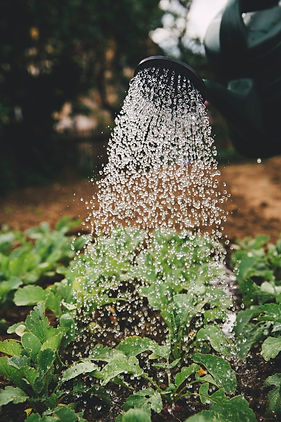
2. Watering and Irrigation
Watering Tips
-
Water deeply, not frequently. When you do water, give plants a good long drink. This encourages roots to grow deeper into the soil. Then let the soil dry out before watering again.
-
Consider drip irrigation. It delivers water right to the roots, which cuts down on waste and keeps the rest of the soil from staying too wet.
Saving Water During Drought
-
Add mulch around your plants. A layer of mulch holds moisture in the soil so it doesn't evaporate as quickly.
-
Group plants by water needs. Plants that need similar amounts of water do better together, and it makes watering a lot easier.
-
Choose drought-tolerant species. Native plants that are adapted to dry conditions will need far less water once they're established.
3. Pest and Disease Management
Managing Pests Naturally
-
Invite the good bugs. Not all insects are pests. Ladybugs and lacewings are natural predators that help keep harmful bugs in check. Native plants are especially good at attracting them.
-
Use gentle, organic treatments when needed. If you do have a pest problem, options like neem oil and insecticidal soap are effective without harsh chemicals.
Common Problems and What to Do
-
Aphids. These tiny bugs cluster on new growth. A strong spray of water knocks them off, or you can introduce beneficial insects to do the work for you.
-
Powdery Mildew. That white, dusty coating on leaves is a fungal issue. Improve airflow around your plants and treat with an organic fungicide if it persists.
-
Root Rot. Usually caused by too much water or poor drainage. Make sure your soil drains well and let it dry out between waterings.


4. Garden Design
Designing Your Garden
-
Think about size, shape, and timing. As you plan, consider how tall each plant will get, how wide it will spread, and when it blooms. Mixing plants that bloom at different times keeps your garden interesting season to season.
-
Add a path or two. Even a simple pathway makes it easier to move through your garden, water plants, and do maintenance without trampling anything.
Making It a Wildlife Garden
-
Plant flowers that pollinators love. Bees, butterflies, and hummingbirds are drawn to nectar-rich blooms. Adding a small water source — like a shallow dish or birdbath — makes your garden even more welcoming.
-
Include plants that feed and shelter birds. Berry-producing shrubs and trees give birds a food source and a place to nest, turning your garden into a habitat, not just a landscape.
5. Maintenance and Fertilization
Pruning and Trimming
-
Remove the dead, shape the rest. Pruning isn't just cosmetic — cutting away dead or damaged wood helps your plants stay healthy and grow strong.
-
Timing matters. For most California natives, late winter or early spring is the best time to prune, just before new growth kicks in.
What to Do Each Season
-
Spring. A great time to plant, lay down fresh mulch, and add fertilizer to give new plants a strong start.
-
Summer. Focus on watering consistently, pulling weeds before they spread, and keeping an eye out for pests.
-
Fall. Another good planting window. Also a good time to prune and prep your soil for the cooler months ahead.
-
Winter. Tackle any remaining pruning, clean and sharpen your tools, and start thinking about what you want to grow next year.
Feeding Your Plants Naturally
-
Compost. One of the best things you can add to your soil — it's packed with nutrients and helps improve drainage and texture over time.
-
Fish emulsion. A liquid fertilizer that delivers nitrogen and other nutrients plants need to grow. It works fast and breaks down naturally.
-
Seaweed extract. A gentle boost that supports overall plant health and helps them handle stress like heat or drought.


6. Educational Resources
Workshops and Classes
-
Local Events - Check community centers and botanical gardens for workshops.
-
Online Courses - Explore virtual classes on native plant gardening.
Books and Publications
-
"California Native Plants for the Garden" by Carol Bornstein, David Fross, and Bart O'Brien.
-
"Bringing Nature Home" by Douglas Tallamy.
7. Sustainable Practices
Composting and Recycling
-
Garden Waste - Compost leaves, grass clippings, and vegetable scraps.
-
Recycling - Use recycled materials for garden projects.
Water Conservation
-
Rainwater Harvesting - Collect rainwater for garden use.
-
Greywater Systems - Reuse household water for irrigation.


8. FAQs and Troubleshooting
Common Questions
-
My plant looks droopy after I planted it. Is it dying? Probably not. This is called transplant shock and it's completely normal. Give it a deep water and a few days. If new growth appears within 2–3 weeks, you're on track.
-
Why are my native plants not flowering? Check for proper sunlight, watering, and soil conditions.
-
How do I control weeds in my native garden? Use mulch and hand-pull weeds regularly.
Expert Advice
-
Do I need to do anything different for plants ordered online vs. picked up at the nursery? For online orders, unbox your plants as soon as possible, water lightly, and set them in indirect light for a day or two before planting. Plants from the nursery can go straight into the ground, though a 24-hour "hardening off" in your garden's ambient conditions never hurts.
-
Local Experts. Contact local garden centers or extension services for personalized help.
Additional Tips
Mulching
-
Benefits - Retains soil moisture, suppresses weeds, and improves soil health.
Plant Communities
-
Grouping - Plant species that naturally grow together to create a thriving ecosystem and reduce maintenance.

References


